
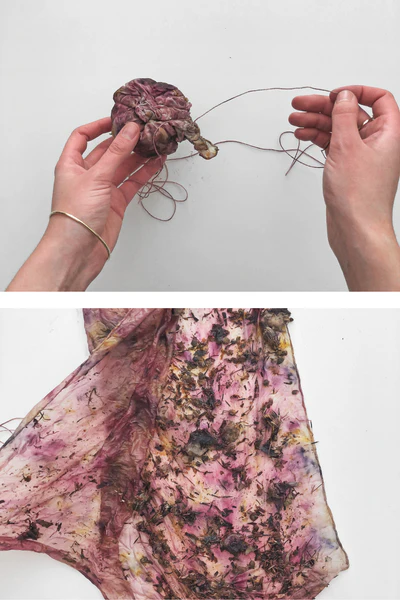
In the ever-evolving world of sustainable fashion, flower-dyed clothing has blossomed into a stunning and eco-friendly trend. Using natural pigments extracted from blossoms such as marigolds, roses, hibiscus, and indigo flowers, artisans and designers are reviving ancient dyeing techniques to create unique garments that are as gentle on the earth as they are beautiful.
What is Flower Dyeing?
Flower dyeing is a natural dyeing method that uses the colors found in flower petals, stems, and sometimes leaves to color fabrics. This method contrasts sharply with synthetic dyes, which often involve toxic chemicals and high water consumption. The process of flower dyeing is organic, often relying on time-honored techniques like steaming, boiling, or pounding petals directly onto fabrics in a process known as “bundle dyeing” or “eco-printing.”
How It Works
The basic process of dyeing with flowers typically follows these steps:
-
Preparation of Fabric: Natural fibers like cotton, silk, wool, or linen are preferred because they absorb natural dyes better. Fabrics are washed and mordanted—treated with a natural fixative such as alum—to help the dye bind to the fibers.
-
Application of Flowers: Fresh or dried petals are arranged on the fabric. Each flower gives a different hue—hibiscus offers deep purples, marigold provides yellows and golds, and rose petals yield pinks and greys.
-
Steaming or Boiling: The fabric is wrapped and steamed to release the pigments into the cloth. Alternatively, flower extracts can be simmered in water and the fabric dipped into the resulting dye bath.
-
Drying and Setting: After dyeing, the fabric is hung to dry and then rinsed gently. The final results are often unpredictable, creating one-of-a-kind patterns and shades.
The Aesthetic Appeal
Flower-dyed clothing has a delicate, ethereal beauty. The colors tend to be soft, earthy, and muted—ideal for minimalist fashion lovers or those who appreciate handmade, artisanal aesthetics. Each piece becomes a wearable work of art, imbued with the unpredictable beauty of nature.
Designers and artists often leave visible impressions of petals or entire flowers on garments, producing effects reminiscent of watercolor paintings or botanical illustrations.
Environmental Benefits
-
Non-toxic and Biodegradable: Flower dyes are free of synthetic chemicals, reducing pollution in waterways and making garments safer for human skin.
-
Low Carbon Footprint: Many flower-dyeing operations are small-scale and locally sourced, using petals from florists, gardens, or floral waste from weddings and events.
-
Waste Reduction: Some eco-conscious brands use discarded flowers from temples, florists, or agricultural byproducts, giving new life to what would otherwise be waste.
Challenges and Considerations
While beautiful and sustainable, flower dyeing also has limitations:
-
Color Fastness: Natural dyes may fade more quickly than synthetic ones, especially if not fixed properly.
-
Scalability: The process is time-consuming and difficult to industrialize, making large-scale production a challenge.
-
Variability: Natural dyes often produce unpredictable results, which can be a charm or a drawback, depending on the context.
Flower Dyeing in Modern Fashion
Several slow fashion brands and independent artisans are embracing this method. Labels like Botanical Colors, MADE IN EARTH, and The Kindcraft have incorporated flower dyeing into their collections. Workshops and DIY kits are also becoming more popular, empowering individuals to explore the craft at home.
Conclusion
Flower-dyed clothing represents a beautiful intersection of art, nature, and sustainable living. While it may not replace synthetic dyeing on an industrial scale, it offers a compelling alternative for conscious consumers and creatives seeking authenticity, beauty, and ecological harmony in their wardrobes.
In a world looking to heal from the environmental toll of fast fashion, turning to flowers might just be the softest—and most poetic—revolution yet.