
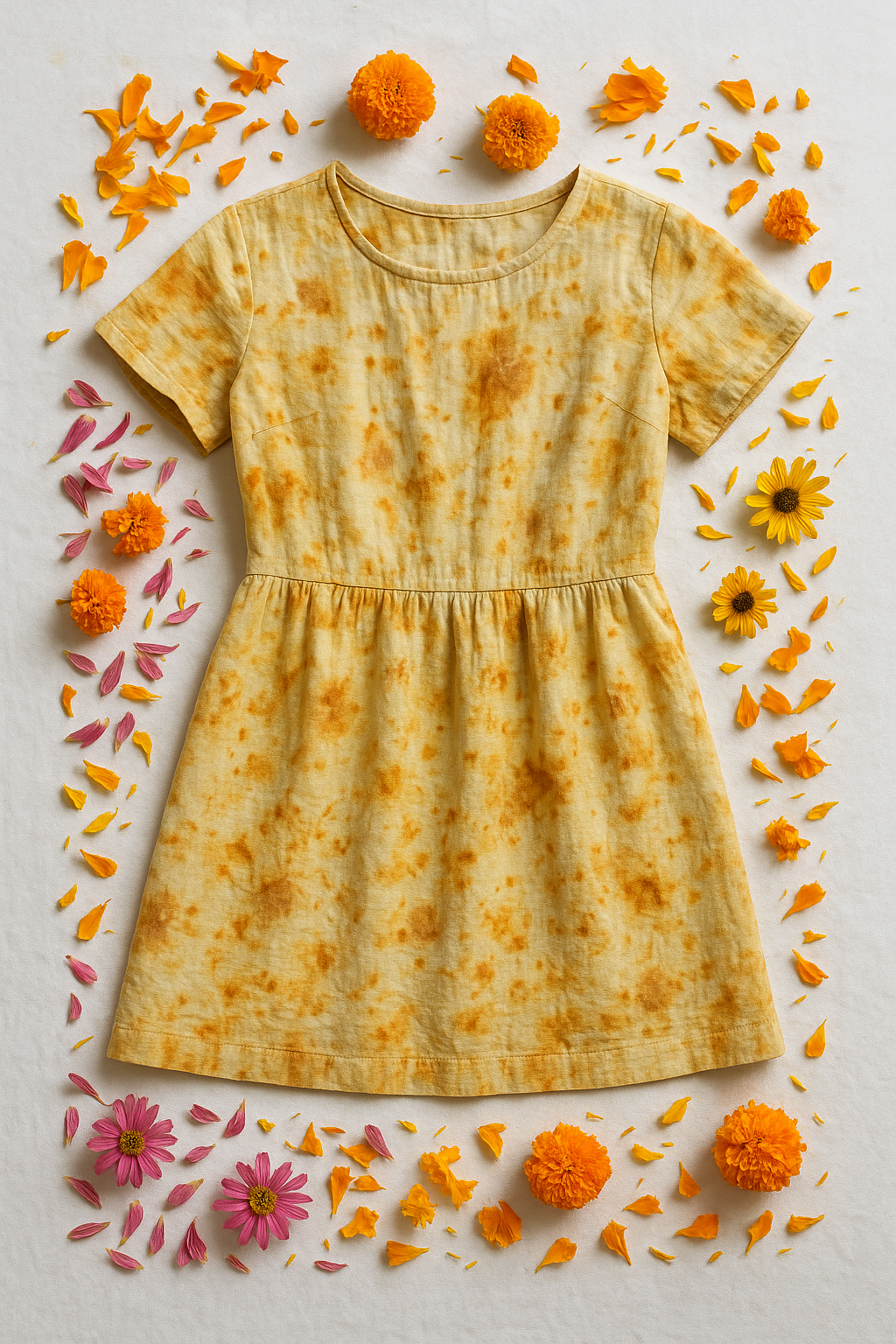
In a world increasingly focused on sustainability, the fashion industry is undergoing a much-needed transformation. Among the most innovative developments is the use of waste flowers to dye fabrics—an eco-conscious practice that combines art, science, and circular economy principles to combat pollution and textile waste. This practice not only redefines how we see “waste” but also reconnects fashion with nature in a deeply poetic way.
The Problem with Conventional Dyes
The textile industry is the second-largest polluter of water globally, largely due to the widespread use of synthetic dyes. These chemical dyes often contain toxic compounds that are harmful to both the environment and human health. The dyeing process requires massive amounts of water and produces heavily contaminated wastewater, often discharged into rivers without adequate treatment.
This environmental toll has prompted researchers, designers, and environmentalists to seek out natural alternatives. Enter flower waste: vibrant, biodegradable, and abundantly available.
Waste Flowers: A Hidden Resource
Every year, millions of tons of flowers are discarded by temples, event venues, and florists. These flowers—once symbols of celebration or devotion—are often left to rot in landfills or end up polluting waterways. However, when repurposed as natural dyes, these blooms find new life.
Roses, marigolds, hibiscus, bougainvillea, and even temple garlands can yield a surprising array of colors. Through sustainable processing, the pigments in these petals can be extracted to produce beautiful, earthy hues ranging from soft yellows and oranges to deep reds and purples.
The Dyeing Process
Using waste flowers for dyeing typically involves a few key steps:
-
Collection: Flowers are gathered from temples, florists, and public events before they decompose.
-
Segregation & Cleaning: Petals are separated by color and type, then washed to remove dirt and pesticides.
-
Extraction: The pigments are extracted using water or natural mordants—substances that fix the dye to fabric.
-
Dyeing: Natural fabrics like cotton, silk, hemp, or wool are dipped into the dye bath and allowed to absorb the color.
-
Drying & Finishing: The fabrics are sun-dried and treated with eco-friendly fixatives to ensure the color holds.
This low-energy, low-waste process is often carried out by local artisans or social enterprises, supporting both environmental and economic sustainability.
Fashion with a Floral Footprint
Several eco-friendly brands and designers have embraced floral dyeing to create collections that are ethical and elegant. Labels like Phool, Adiv Pure Nature, and Madder Much in India, and international names like Botanical Colors and Christina Kim’s dosa in the U.S., are showcasing how waste flower dyes can be commercially viable and visually stunning.
These clothes tell a story—one of revival, renewal, and a return to craftsmanship. Each garment is unique, reflecting the seasonal availability and variation in flower pigments.
Social and Environmental Impact
The use of waste flowers in textile dyeing creates a triple impact:
-
Environmental: Reduces chemical pollution and diverts organic waste from landfills and waterways.
-
Social: Provides employment to marginalized communities, especially women, in collecting, sorting, and dyeing processes.
-
Cultural: Revives traditional dyeing methods and encourages a deeper appreciation for nature’s palette.
Challenges and the Road Ahead
While promising, floral dyeing is not without challenges. The natural dyes are less colorfast than synthetic ones and can fade over time. The scalability of sourcing consistent flower waste is another issue, especially for larger fashion houses.
However, as consumer awareness grows and demand for sustainable clothing increases, the future looks bright for floral-dyed textiles. Research into improving dye fixation and shelf life is already underway, and collaborations between designers and environmental organizations are opening new doors.
Conclusion
Clothes dyed with waste flowers symbolize a powerful shift in mindset—one that values beauty, sustainability, and circularity. As we move away from fast fashion and toward more thoughtful consumption, these garments remind us that nature offers everything we need—even in what we throw away.
In a flower, we see not just a symbol of life, but a path forward for fashion.